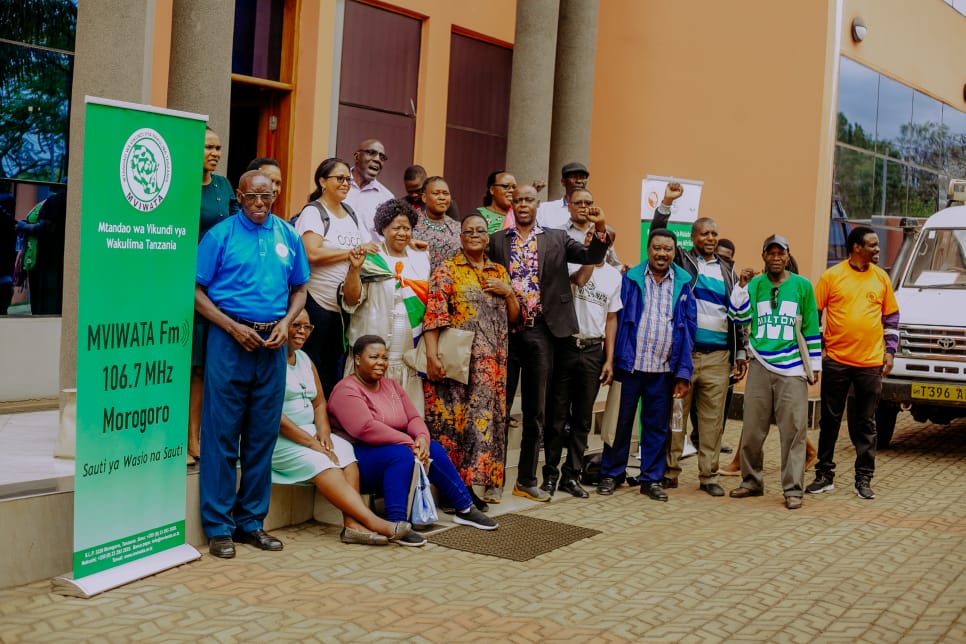
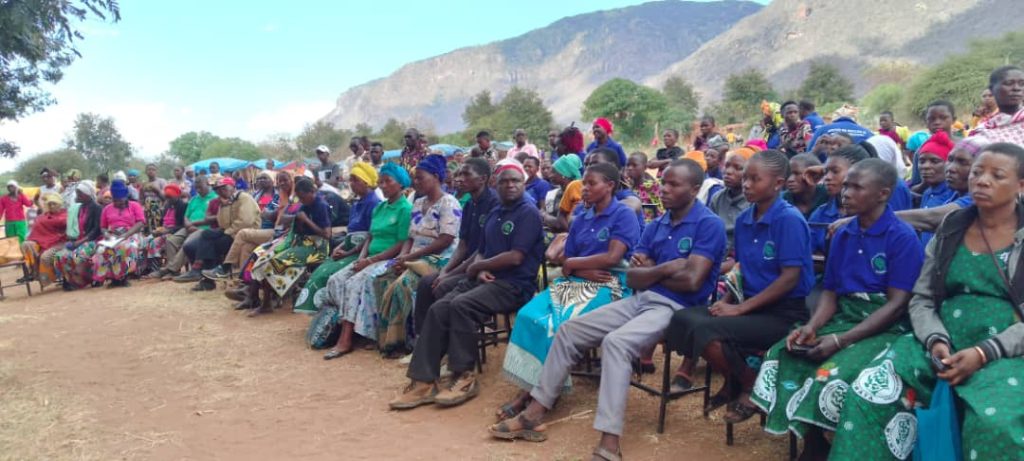
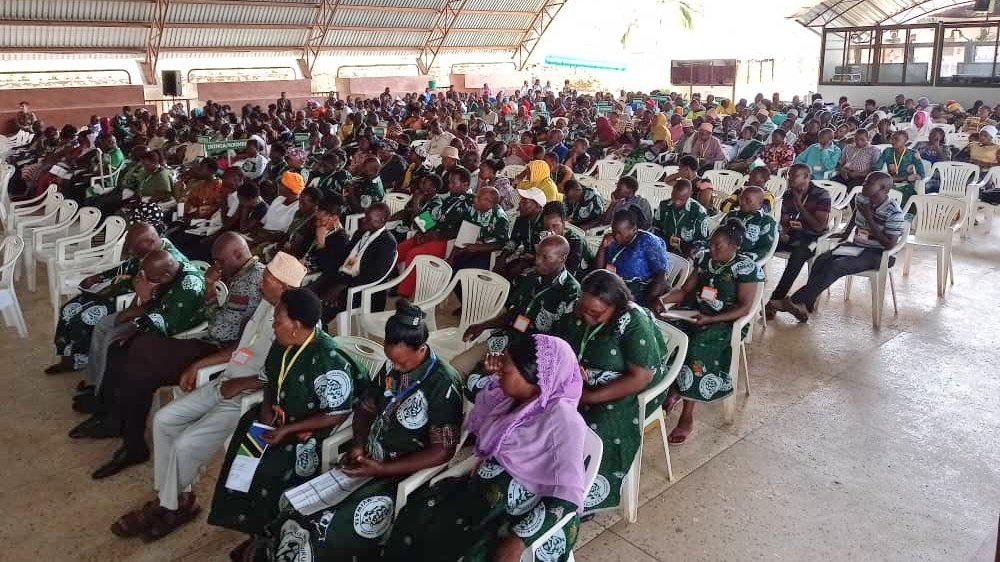
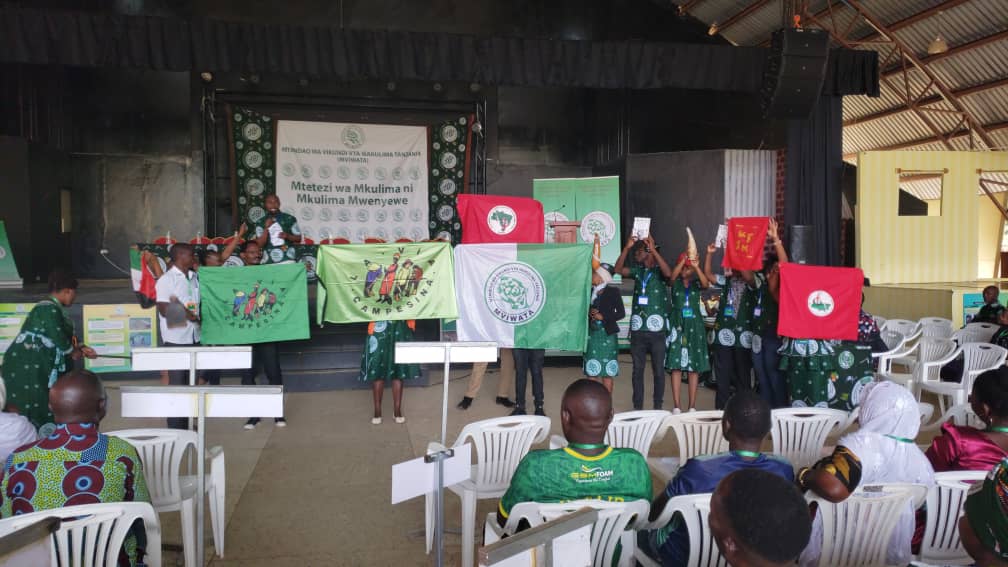
Joining smallholder farmers’ organizations across Eastern and Southern Africa, ESAFF, founded in 2002, celebrated its 20 years anniversary in 2022 with events under ESAFF@20 banner. The celebrations, marked on the 25th and 26th August, in Dar-es-Salaam, joined ESAFF member organizations representation from Tanzania (MVIWATA), Uganda (ESAFF Uganda), DR Congo, Zambia (ESAFF Zambia), South Africa (ESAFF South Africa), Zimbabwe (ZIMSOFF), Eswatini, Lesotho, South Sudan, Malawi (NASFAM) and Kenya. The member organizations discussed and strategized on ESAFF activities and plan of actions. On the 27th of August, the delegation visited MVIWATA offices in Morogoro to learn and exchange from MVIWATA.
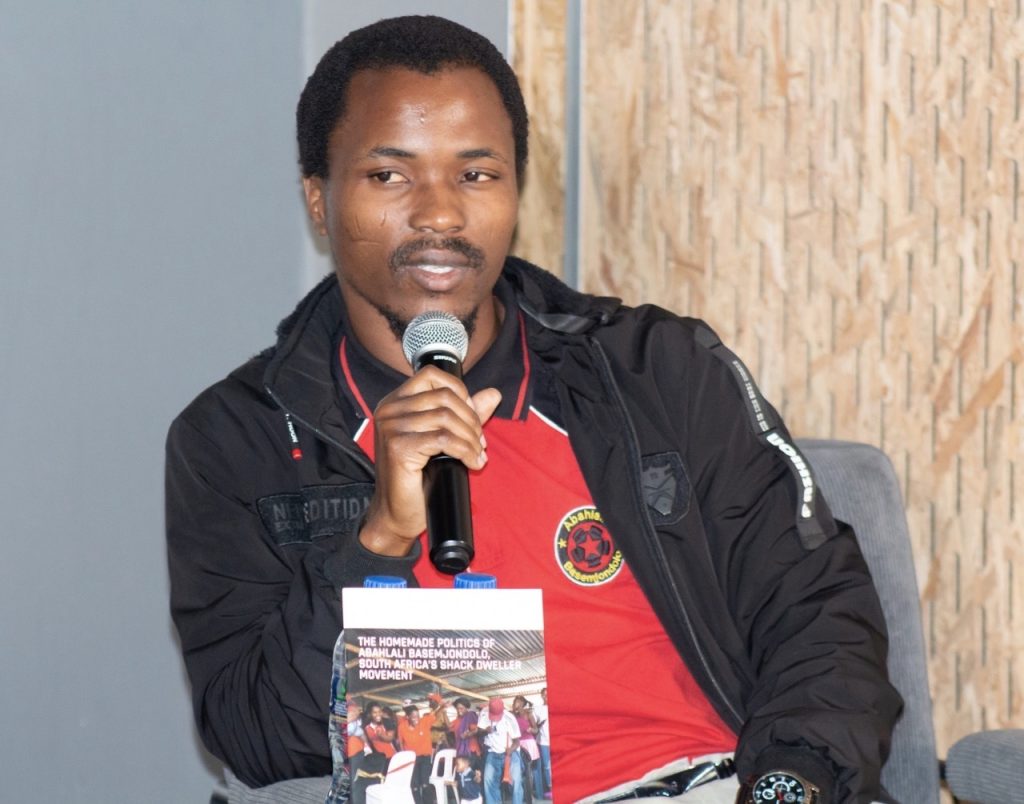
MVIWATA was saddened by the news of
the brutal assassination of our dearly Comrade Lindo, a 28 years of age, calm
and charismatic leader of the Ekhenana Commune, part of the South African shack
dwellers movement, Abahlali BaseMjondolo (ABM) whom we’ve been engaging with in
the different Pan Africanism initiatives. This news came at a time when we
(MVIWATA) and ABM through Pan Africanism Today (PAT) have started a solidarity
journey, driven by our desire of sharing, and wanting to learn and help each
other.
The loss of Comrade Lindo is surely a
great loss to his family, his family being everyone who is connected to the
struggles of the working people, revolutionarily! And for that, we send our
sincere condolences and revolutionary hugs and roses along.
Our engagement with Lindo
MVIWATA, ABM, Socialist Movement of
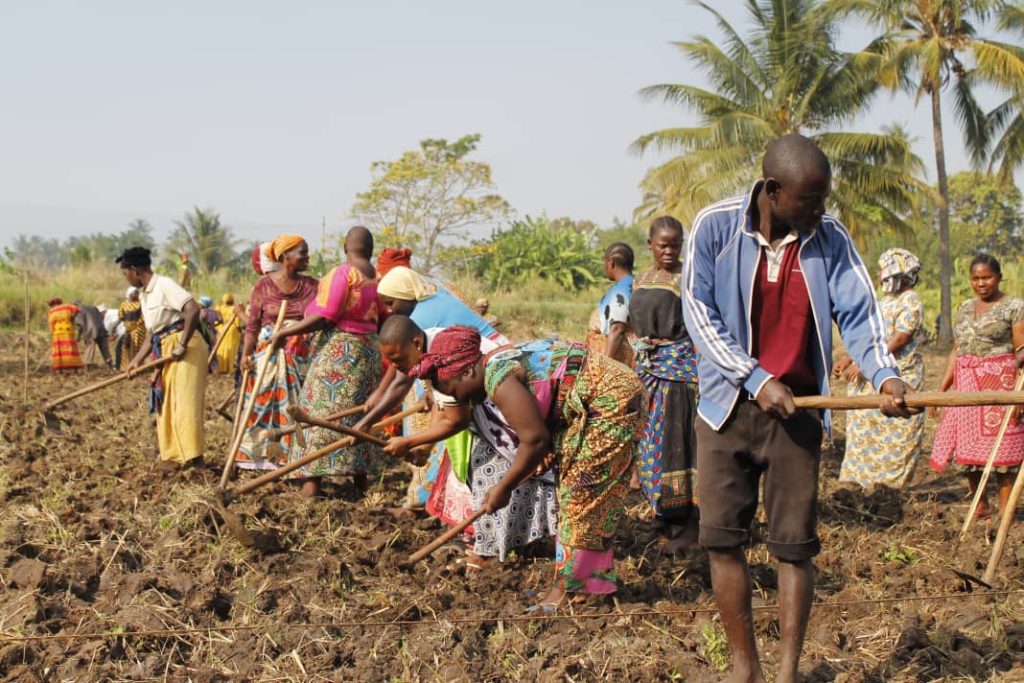
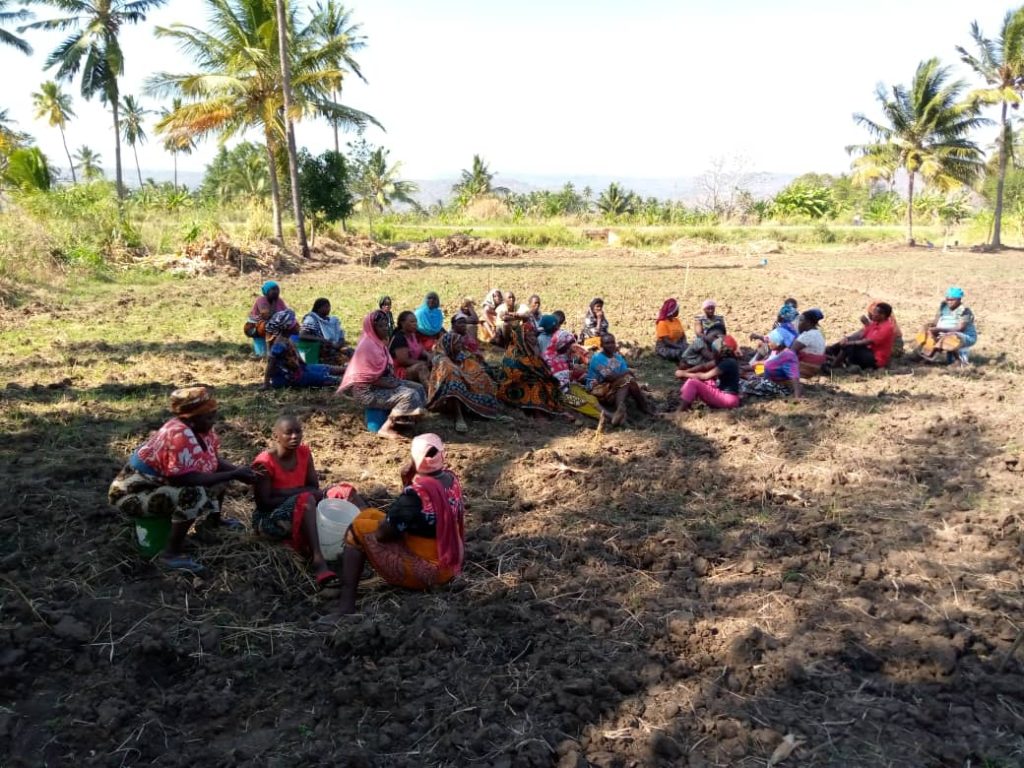
Ghana (SMG) and Pan Africanism Today (PAT) started a solidarity gardening
course where the organizations have been engaging through online classes, learning,
exchanging, and strategizing on an initiative of making Ekhenana and everyone
involved self-reliant with regard to the food question.
The course at the initial thoughts
aimed at making Ekhenana a space that continues to grow its own food, in a
holistic manner with the environment, people and their culture, with all this,
Comrade Lindo led the ABM part from that end making sure that we all attend
classes in time, what is exchanged is implemented and put into action and
further more to see that this Pan African initiative extends to other spaces
and more people are engaged with it.
We collectively agreed to meet every
Wednesday, Comrade Lindo summoning his fellow comrades from Ekhenana, and other
2 summoning comrades from PAT and MVIWATA respectively and MVIWATA charged with
the responsibility of facilitating the sharing of different lessons on
gardening; agroecologically! And from it we discussed, strategized, raised each
other’s hope while diving into lessons every time that we met; we never forgot
to remind ourselves every time when we met, on how precious the process we were
engaged in was and how grand was the initiative we were building.
That night, the night that Lindo was shot, he remained in eKhenana, apart from many other duties, to specifically organize the meeting with the members in the community to discuss, strategize on the course and its intended goals and also provide feedback to the other community members on the course so far, as it was only some few representatives who were chosen by the community to attend the course. On the same night, the life of our precious Comrade Lindo was brutally robbed from us.
Our process without Lindo, physically!
On 31st August 2022, we met
for our classes as usual, but this time we met without Lindo, who was always
there to make sure that everyone attends the course and follows up smoothly.
This particular day was somehow different, we organized the space only to
reflect on Lindo’s life and the lessons we’ve accumulated from him and from
what has just happened. Sad? Surely we were. Despaired? Definitely we were not.
One comrade from ABM, was the first person to speak on about Lindo, followed by others and, all, at the end agreed that as a person, Lindo was a great leader, mobilizer, organizer, revolutionary who sacrificed his life for a cause, Socialism! Comrade Lindo was a humble, forever calm and special person, very rare to find.
Questioning the powers of the “state”
As far as we went on speaking and
admiring on Lindo’s character, we also asked ourselves on the superficiality of the so termed “Free
South Africa” just like how one comrade coined it. We went on reminding ourselves on the pledges
of the “Freedom Charter” which promised people land; human rights; Houses,
Security and Comfort; Peace and Friendship. We reflected on the current state
of affairs, the promises and hopes lost in vain; and the lives filled with miseries
and discomfort to the majority. We reflected on the hostile environment that
overwhelms the youthful generation in South Africa, and its the same nature of
hostility that, the young and visionary, Comrade Lindo dedicated his life to
contest and fight against all those life’s vices. In his 20’s, Comrade Lindo’s
life was snatched away from him while fighting for an equal society.
It was on this essence that we asked ourselves,
is South Africa really free? Is Africa really free? And if yes, for who?.
We went as far as questioning on the powers of the states, our states. We took a look at the land question and how the two, land and the state, integrate. At last, we unanimously agreed that land defines life, liberty and dignity; and it is on this essence that land is remarkably special to the status and the fate of the working people.
The Garden Project, Project Liberty!
Admiring the garden project, one
called it “A project of liberty”. In deed it is as the garden in eKhenana, from
what it has managed to achieve, garden is the project in eKhenana that depicts
freedom, offering hope and a sense of dignity.
Another comrade made a short analysis
from which she concluded that first, the ongoing course and the garden project
is so powerful and has intimidated the local leadership around the area to the
fact that they see the only way to remove people from eKhenana is through
barbaric acts like killing etc. Secondly that the course is the true
representation of the power of living solidarity and internationalism, not only
at our worse times or times of crisis, but every time where organizations of
the left build each other
His mission (Comrade Lindo’s) was the mission of the people and for that his life was taken, and so WE OWE HIM! So long we’ve identified ourselves as being part of his big working-class family.
“For us, sustainable agriculture as a practice and struggle started at the district level demonstration plot, we designed after the training on Agroecology for farmer leaders we attended, organized by MVIWATA. From the training and upon several feedback sessions as a network we reached a collective decision to conduct local based research, promote local knowledge in agriculture and multiply our local seeds which at that time only few of them were available to some members mainly women.” – Mustapha Mmeto, the Network Chairperson
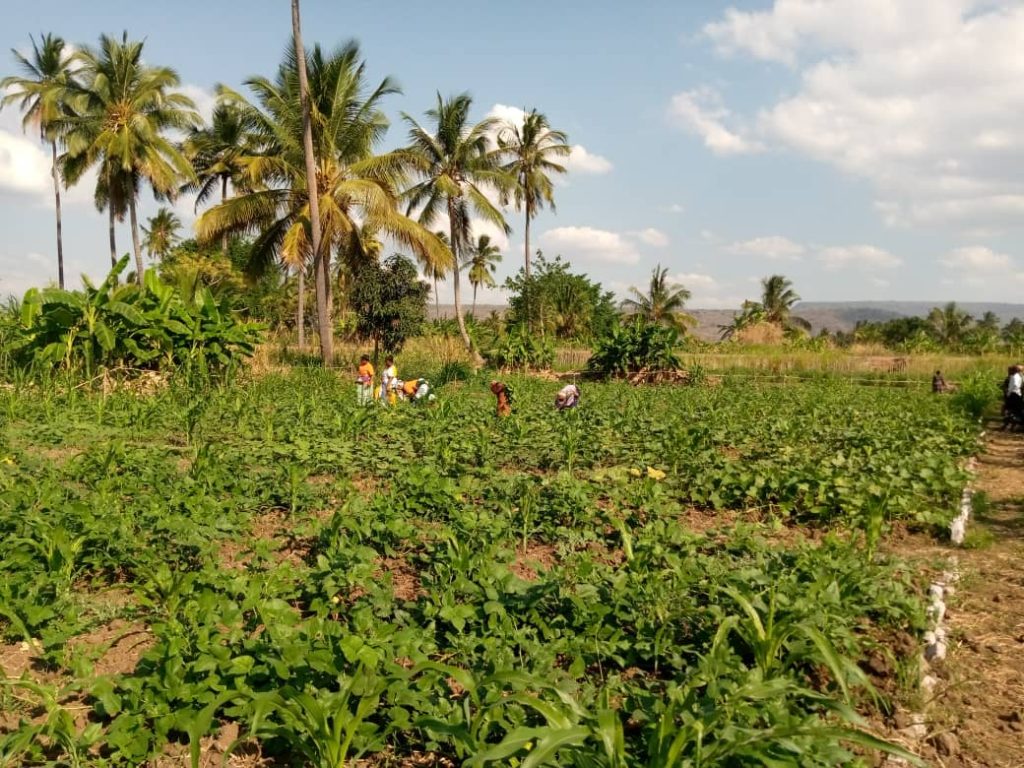
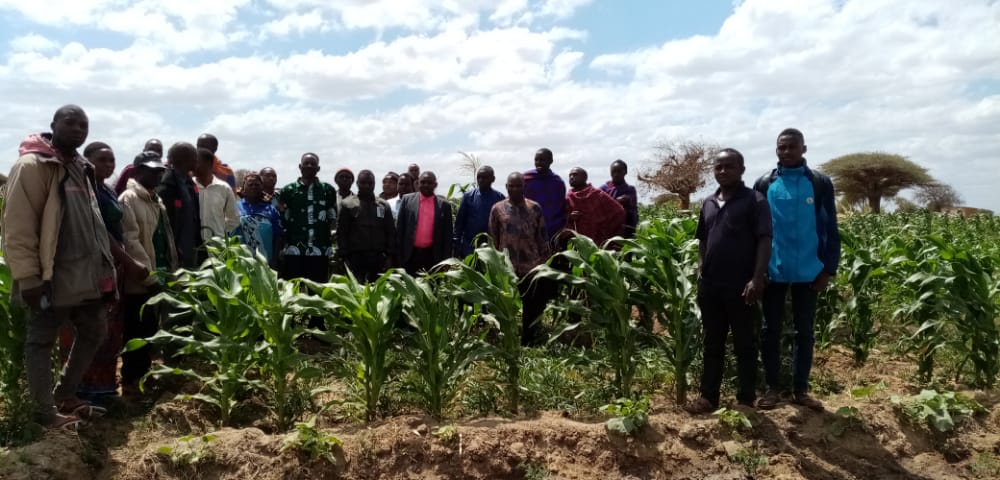
The first attempt was the creation of
the district demonstration plot in Liputu village where through it, farmers,
members of MVIWATA and non – members from different wards of Masasi District contributed
to knowledge creation and dissemination from local seed multiplication to plant
management. The farmers used the demonstration plots to conduct a local based
research on agroecological practices versus conventional practices.
The demonstration plot initiative also invited extension officers to learn together with the farmers and participate in research designed by farmers where they were testing and documenting local and conventional seeds and practices performance.
“We knew from the start that, our ways of farming are always looked as backward and not efficient and so to advocate for them we invited all extension officers from the different wards and villages in our district to attend and learn together with us, and they received our invitation and participated with us in the process.” – Jackline Lissu, MVIWATA Rural Promoter from Masasi.
In the plots, we had both local and hybrid varieties for research using the recommended spacing and designs, we also prepared and tested different organic pesticides and at the end discovered that local seeds could give tremendous yield even under what they call ‘local methods’
The district demonstration plot established in 2020 then gave birth to ward and group demonstration plots where the network mandated every MVIWATA member to participate in the demo-plot to produce and learn collectively. This then strengthened and activated the groups and local networks to participate in production activities through their structures, from which farmers have collectively learnt on agroecological practices (theoretically and practically), produced and sold collectively where in 2021 for example there were records of farmers collectively earning more from their produces due to the non-chemical production practices, they have engaged in production but also reduced farm operational costs.
In 2022, 4 ward demonstration plots
were established in Nangoo, Lulindi, Temeke and Mchauru wards where members
embarked in their journey of learning together, producing and saving/ storing seeds.
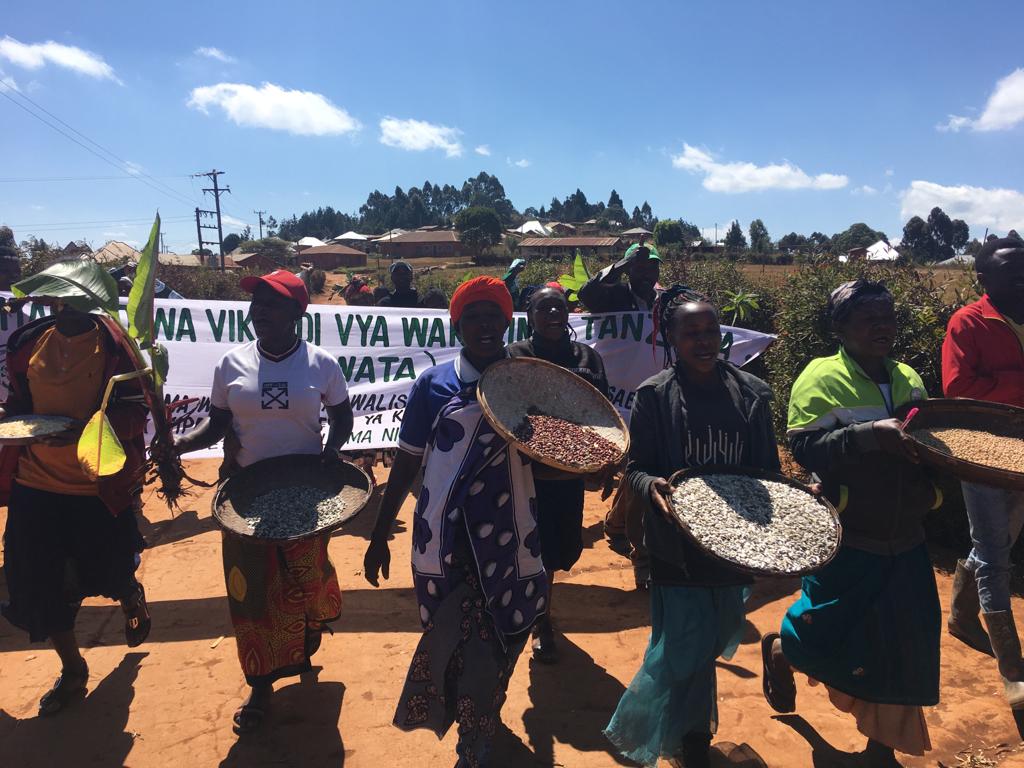
“We still hold on to the demonstration plots initiative, and currently farmers are diversifying and test different local varieties that we get from our fellow farmers across Tanzania through MVIWATA as it is a policy that in whatever event that MVIWATA members meet, everyone has to bring some local seeds for exchanging.”– Mustafa Mmeto, Masasi.
Started out of the need of amplifying
its advocacy role and informing the wider community on events from different
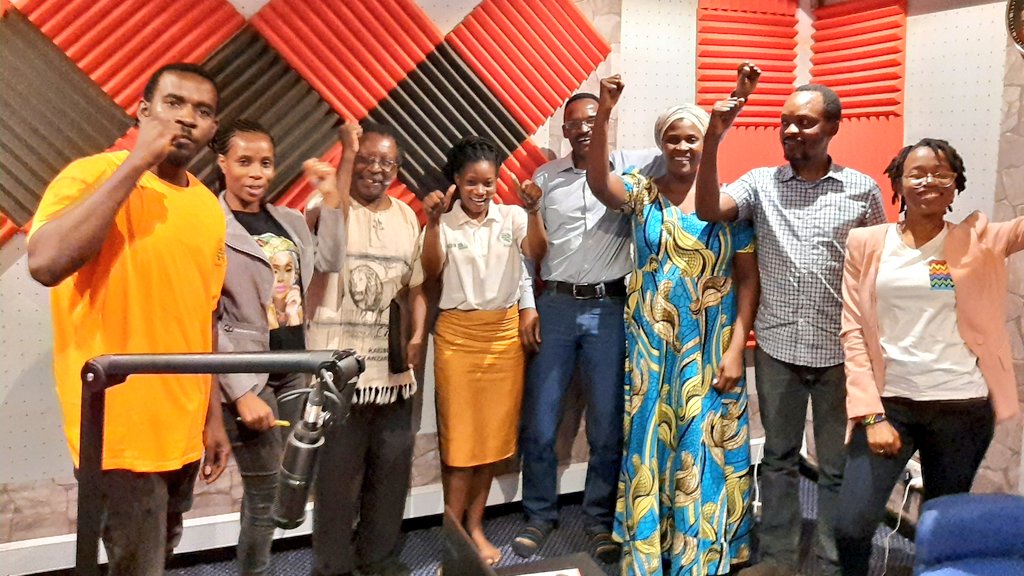
parts of the world, MVIWATA FM on 28th August 2022, started to air a
weekly session titled “WIKI HII” a Swahili name translated as “THIS WEEK”, a
session that brings to listeners news on events, actions from different parts
of the world primarily contributed by Pan Africanism Today.
MVIWATA FM, which commemorated its 2
years in August 2022, started out of the need of amplifying MVIWATA’s advocacy
role and echoing the voices of those that the mainstream communication channels
sideline and thus the birth of its slogan “Voice of the Voiceless”.
Serving as a means of advancing
communication, MVIWATA FM has been started from scratch by MVIWATA, a self-owned-initiative
that is owned and operated by MVIWATA and used as a communication tool for its
various interventions which are farmer-specific, a fact which was cumbersome
and expensive before its establishment which also resulted in content
modification and hence limited voices of the farmers.
MVIWATA FM which is currently
available in 17 districts in Morogoro (Morogoro Rural, Kilosa, Mvomero,
Morogoro Municipal, Gairo, Kilombero); Pwani (Bagamoyo, Rufiji, Chalinze,
Kisarawe); Lindi(Kilwa), Dar-es-Salaam (Ubungo); Tanga(Handeni, Korogwe, Kilindi);
Dodoma(Mpwapwa, Kongwa) airs educational and informative sessions structured
through discussion, knowledge and experience sharing and analysis.
The spread
of MVIWATA throughout Tanzania provides a smooth methodology of collecting
farmer-specific information from which the programs are produced from the groups
and network through training processes, meetings, exchange visit missions and
other initiatives. Smallholder farmers from respective areas are used as local
correspondents of the different programs. Apart from the broader sessions on
farmer specific issues, MVIWATA FM also covers programs on the working class,
specific programs on women and youth.
MVIWATA also uses the radio channel to
air special campaigns on Local and International Days of Actions including International Women’s Day, Day of Peasant
Struggles, World Food Sovereignty Day, World Youth Day, African Liberation Day,
Campaign to end the impunity of transnational corporations, 16 days of activism
against gender-based violence, International Solidarity campaigns etc.
MVIWATA FM has also participated in the important regional campaign on the United Nations Decade of Family Farming, and you can find one of the prepared and aired session from this link (CAMPAIGN PRODUCTS: TANZANIA – Yenkasa Africa)
This year’s Nane Nane (Farmers Day) was
celebrated across MVIWATA networks through local demonstrations, farmer based
discussions, local seeds exhibitions through a slogan that was set to remind
everyone on the important role of “feeding the nation”, as proudly held by the
smallholder farmers in Tanzania. Despite its sheer significance, the current
political and economic setting, tends to downplays and disregard its magnitude
effect.
Nane Nane, which is a national holiday
in Tanzania, historically was celebrated to allow farmers celebrate their
harvests, learn technology from one another and from other relevant
institutions through the designated zonal show grounds which with the current
context have become largely business and recreational spaces occupied largely
by big businesses (banks, telecommunication companies, hybrid seed companies).
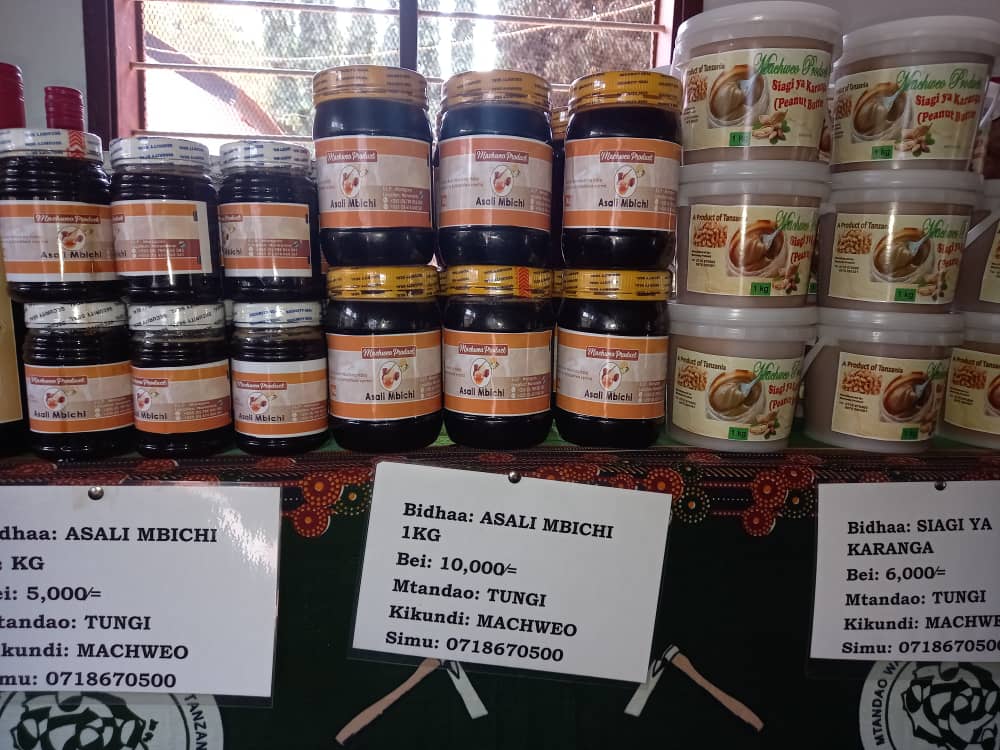
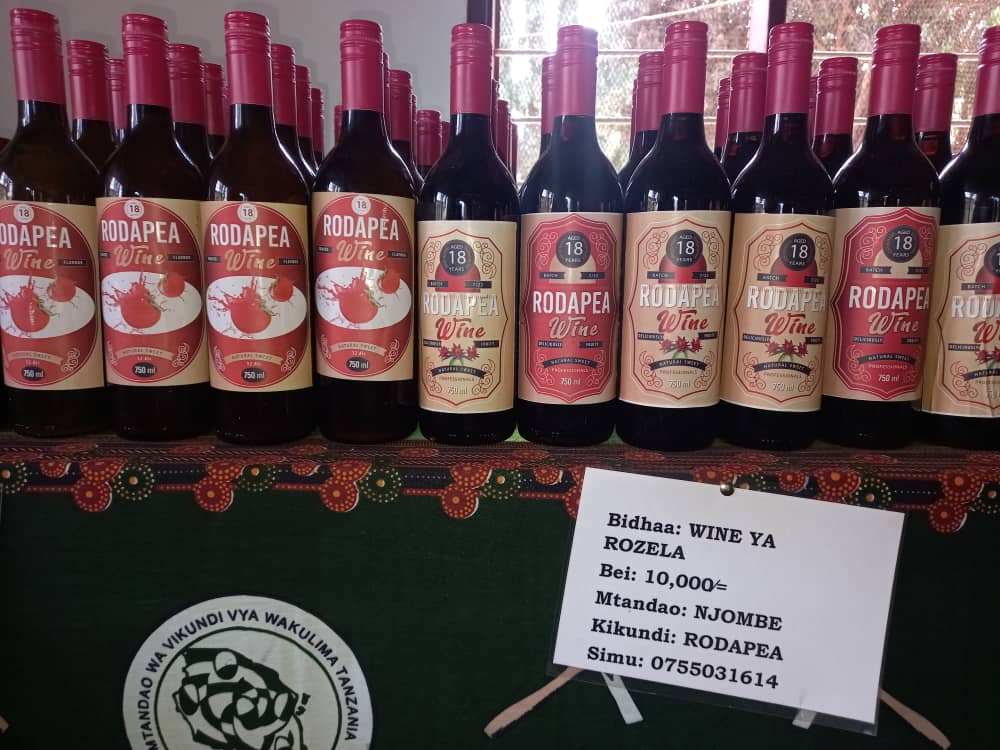
Through its permanent space in the Mwalimu Nyerere 88 show grounds (Eastern zone), MVIWATA participated through representation of farmers from different networks around the country. MVIWATA’s pavilion was decorated by agroecological gardens showcasing different practices in plant protection against weeds and diseases, organic soil fertilization and growing varieties. The other part of the pavilion had local seeds collected from different agroecological zones across Tanzania that have been saved and available in respective MVIWATA networks. Fresh Vegetable, different cereals were also showcased and sold. Also, the pavilion showed various packed products produced by MVIWATA members (groups) from different areas including non-timber forest products such as juices, wines, honey, peanut butter, spices (whole and processed), coconut oil, dried fruits, all produced agroecologically.
MVIWATA was awarded a 1st
winner exhibitor under the category of Non-Government Organization for the
Eastern zone exhibition. The pavilion received more than 1000 visitors.
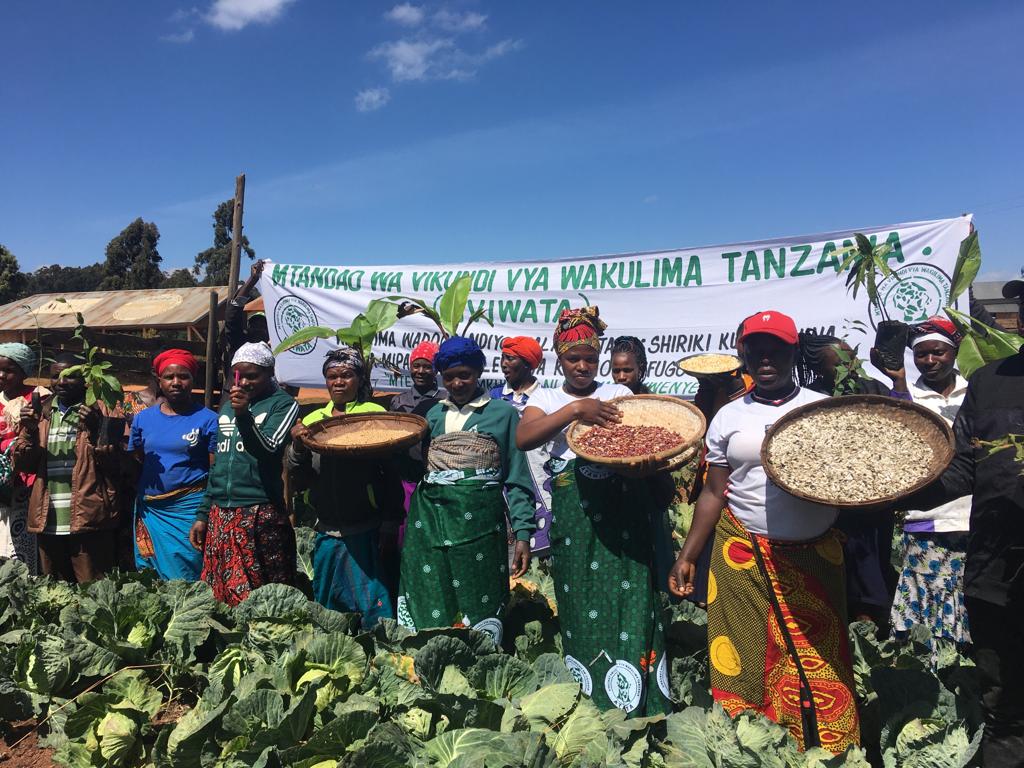
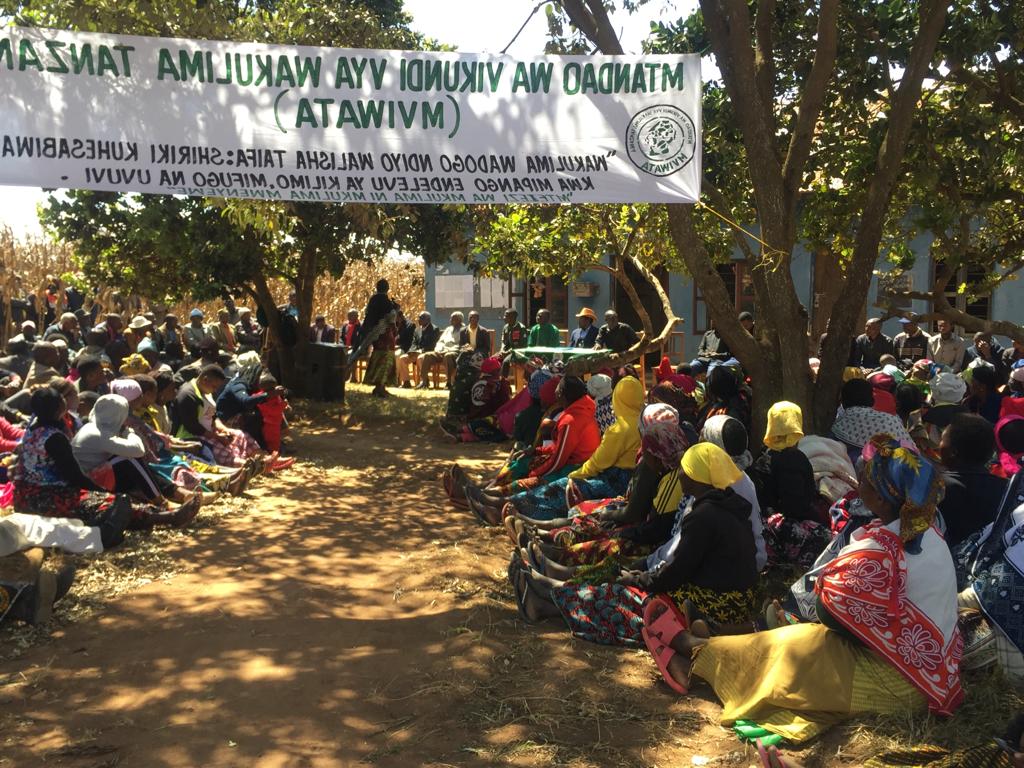
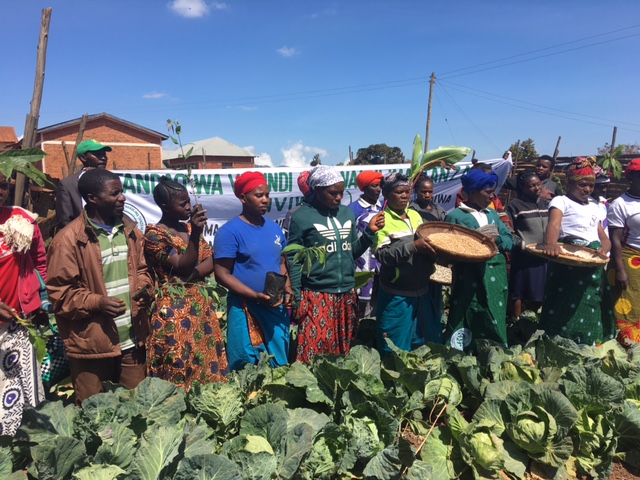
Also, MVIWATA organized local Farmers’ Day celebration in 7 local networks in Kongwa and Mpwapwa (Dodoma); Kiteto (Manyara); Mbarali (Mbeya); Ludewa and Njombe (Njombe) and 906 (578 women, 328 men) MVIWATA members and more than 200 other people around the villages attended. The commemorations were marked by local demonstrations, local seed exhibitions and exchange, knowledge sharing through demonstration plots, local entertainment and sharing of locally made food prepared by farmers themselves. The discussions were held, and strategies formulated by farmers through their networks on challenges and how to popularize farmer-based knowledge and skills. The local Farmers’ Day commemorations are used alternatively by MVIWATA to first offer an alternative to the existing form of farmers’ exhibition but also give many farmers a chance to celebrate their day and exchange among themselves.
Njombe region constitutes to a cluster
of the most food insecure regions in Tanzania with increasing cases of
malnutrition regardless of the fact that it is one amongst the regions
considered as “food basket regions” in Tanzania.
The corporate impunity which has
destroyed fate of the majority who are engaged in production activities around
the world also has played a great role in re-directing the agricultural
practices and culture in Njombe and other production potential regions of
Tanzania. It is a common fallacy around those regions that one can’t produce
without the use of massive industrial chemicals and fertilizers and that if an
individual farmer subscribes him/herself into the mechanism he/she is sure of
escaping the existing poverty in their setting.
MVIWATA networks in Njombe and Ludewa
districts in Njombe region on the other hand have embarked in an alternative
journey of learning, practicing and implementing activities to ensure that they
produce safe food, protect environment, health and local knowledge of producing
food. To them with this learning journey, Production is looked as not only a
means of earning money and escape poverty but as an important aspect of one’s
culture and rights (socially, politically, environmentally, culturally and
economically).
“Agroecology farming practices promoted by MVIWATA has imparted to us a spirit in recognizing and use locally available resources for production while valuing land and producer and consumers’ health. The system has instilled positive mentality towards our own farming practices where currently we’ve established demonstrations for vegetable gardens and we hope to advance the practices into more hectares of land and add more crops other than vegetables gradually” – Onolina Mwinami, Amani group.
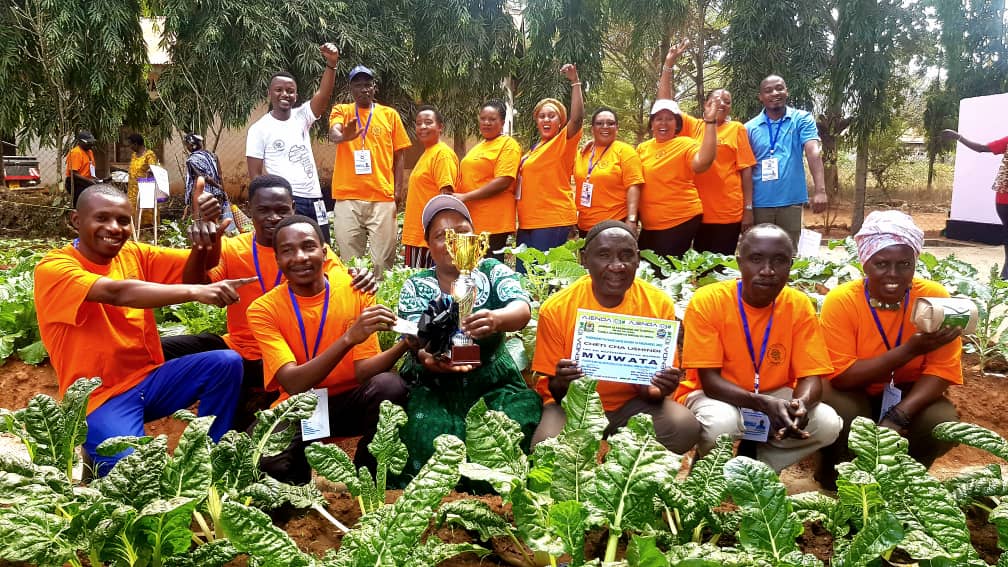
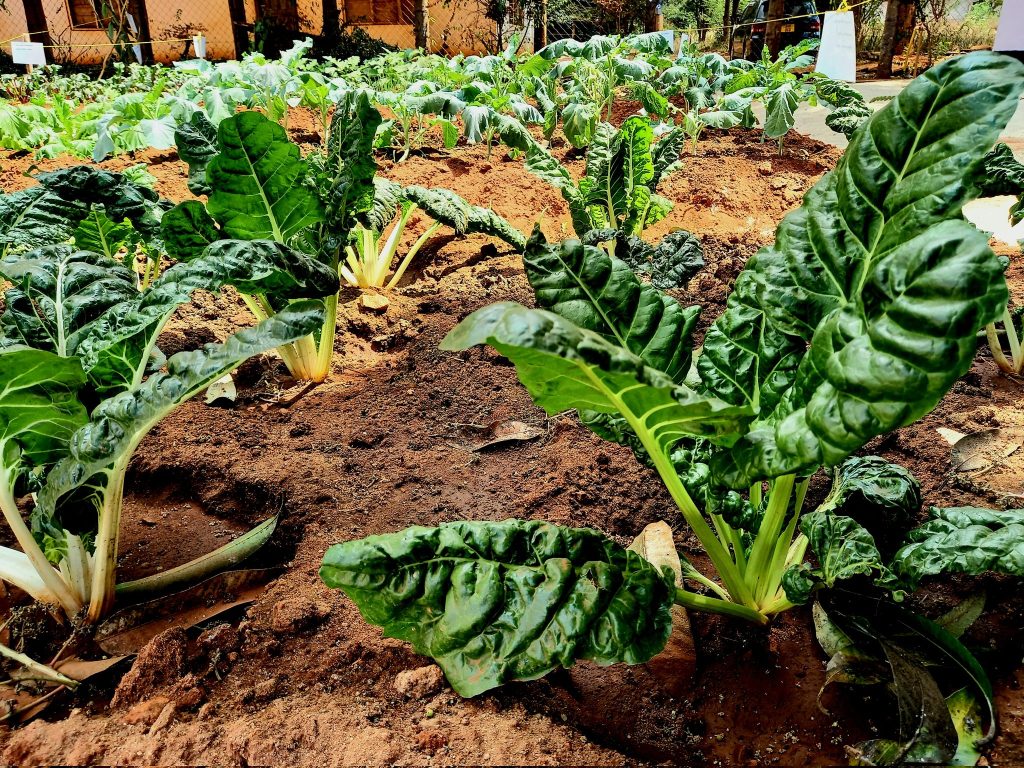
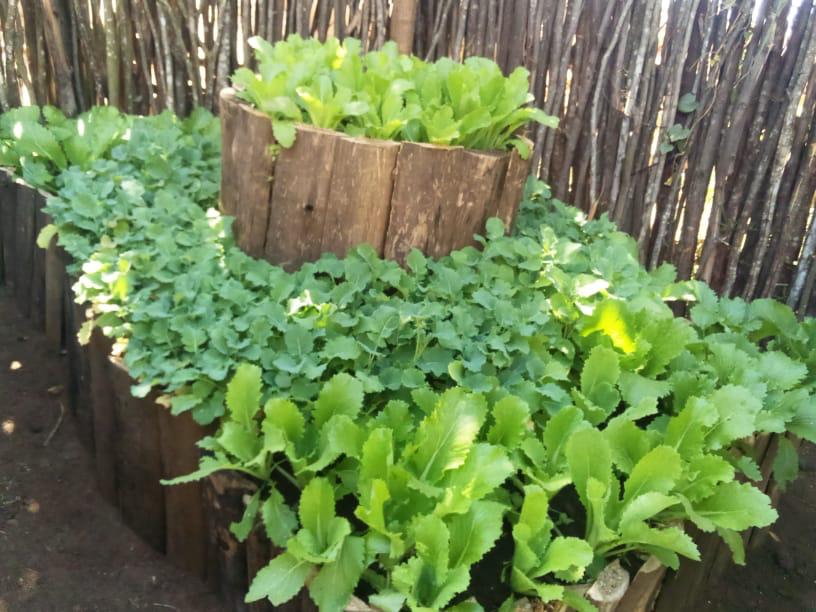
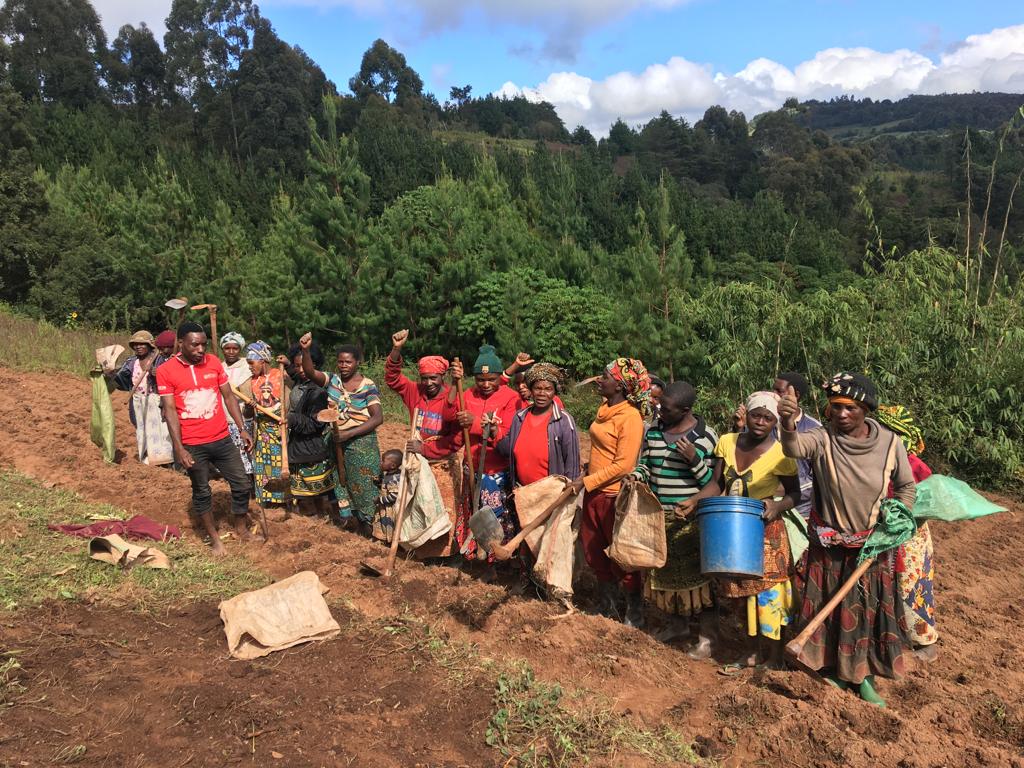
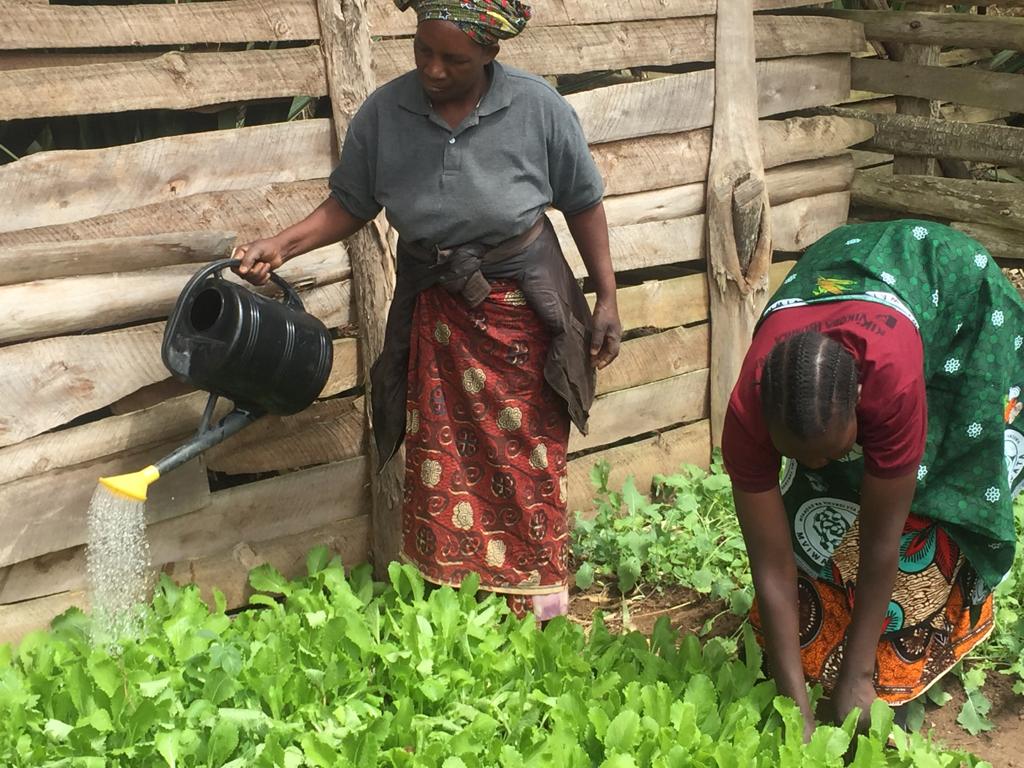
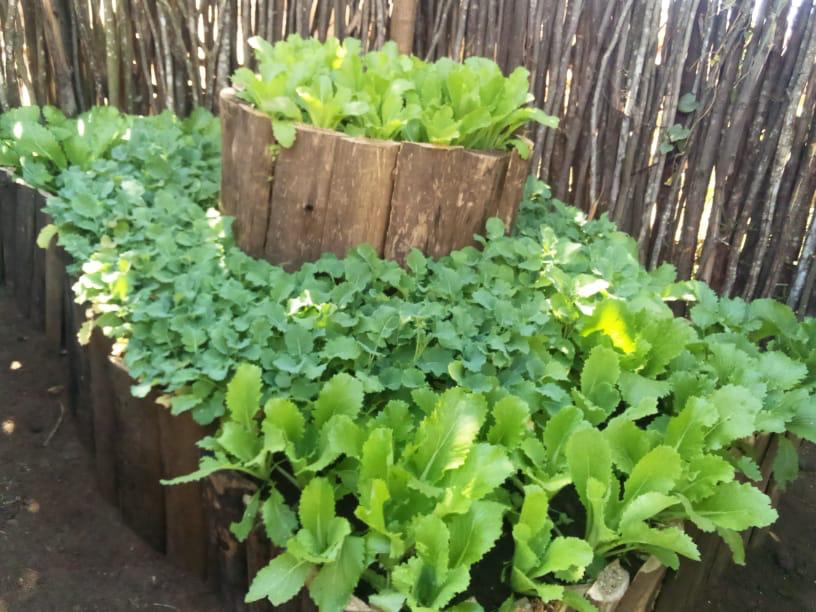
Up to August 2022, five (5) demonstration plots have been set in five (5) villages of Njombe and Ludewa districts from which more than 175 (109 women, 66 men) smallholder farmers from five (5) villages of Mavala, Mapogolo and Lupanga in Ludewa and Ibumila and Itunduma in Njombe have learnt directly on agroecological practices such as production and use of organic and compost manure, production and use of bio pesticides and mixed cropping system. From the demo plots farmers have produced Amaranths, Chinese, Swiss chard, Carrot and Cabbage and have been charged with the responsibility of training other farmers.
“The initiative has opened our minds to know that our local community is blessed with resources that can be used for farming including farmyard manure, composite manure, residues and medicinal plants to mention a few. Utilization of the available resources in farming can enable us to optimize the cost of production, conserve our environment and get rid of diseases which are caused by excessive use of industrial fertilizers.”
The demo plots have given farmers an
opportunity of producing crops that in the current setting are considered as
“need-chemical fertilizer” crops. Alternatively farmers have embarked on a
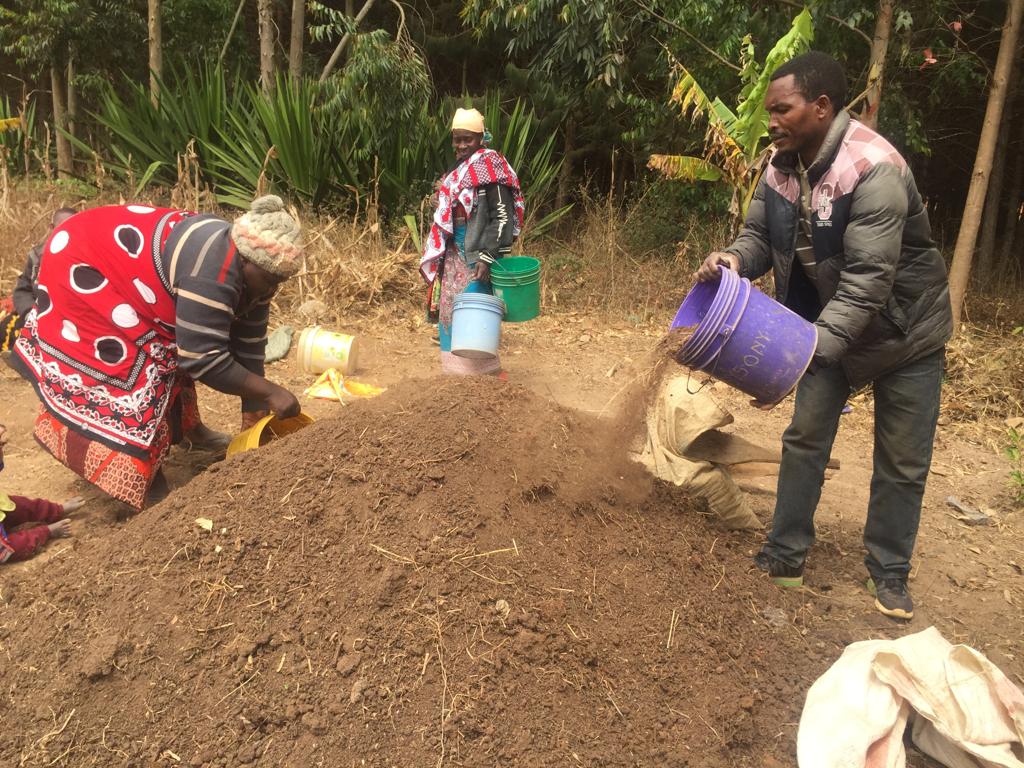
program on organic and green soil fertilization through which humps of organic
manure are produced in bulk at a village level and used in the demonstration
plots. In other spaces the vegetables have been integrated in community tree
farms where until June 3.6 Hectares of land in Njombe and Ludewa have been turned
into agroforestry farms through this approach.
Another great part of this ongoing
initiative is the fact that farmers in the areas engage in actions of
protecting the environment where degraded, dead lands, deforested and catchment
areas are being identified by MVIWATA members in the networks and efforts for
restoration put together, actions that have successfully managed to restore the
once called dead lands and set an example for community actions in
environmental conservation in both Njombe and Ludewa Districts.
The process has also been possible
through a series of trainings on climate change and tree nursery establishment
from which farmers through groups and networks collect indigenous tree seeds
notably Miombo and Mipogolo which are
in a danger of disappearing and other tree seeds and produce tree seedlings.
Until August 2022; 111,187 tree seedlings of Pines, Eucalyptus, Cypress, Avocado, Peas, Coffee, Mipogolo and Miombo have been produced by farmers
through 42 tree nurseries established by networks and groups. Through this initiative, 52.8 Hectares of Land
have been restored and farmers in the areas have moved from the common idea of
planting trees for business to planting trees for environmental protection.
From 6th to 7th December 2021 MVIWATA held its Annual General Meeting (AGM) which is a constitutional requirement. AGM is a supreme decision making body within MVIWATA and yearly MVIWATA holds its Annual General meeting preceded by the National workshop where selected topics are discussed.
In 2021, Annual workshop discussed on Climate Justice, Peasant Feminism and Cooperatives as alternatives to the ongoing global multiple crisis. A total of 458 (223 women, 225 men) smallholder farmers members of MVIWATA from all regions of Tanzania mainland and Zanzibar attended the dialogue together with representatives of District Councils, representatives of organizations and institutions namely La Via Campesina (LVC SEAf), African Centre for Biodiversity, Bizilur, Eastern and Southern Africa Farmers Forum (ESAFF), Rosa Luxembourg, LVIA, ADDA Tanzania, EAMCEF, Tanzania Biodiversity Organization (TABIO), Tanzania Land Alliance (TALA), HakiArdhi, Tanzania Socialist Forum (TASOFO), Umoja wa Wanawake Wavujajasho wa Manzese (UWAWAMA), Warehouse Receipts Regulatory Board (WRRB), Tanzania Agriculture Research Institute (TARI), Tanzania Meteorological Agency (TMA); MVIWATA staffs; representatives from the parliamentary permanent committee on agriculture and representatives from the Media from which also farmer owned seeds were showcased and exchanged by farmers.
MVIWATA received solidarity messages from Bizilur (from the Basque country), Pan Africanism Today (PAT) and the Network of Agroecological Schools Ezeqiel Zamora of Venezuela and all physically represented organizations to the AGM.
From the Annual General Meeting, MVIWATA also passed its 2022 – 2026 Strategic Plan with six main priority areas namely; Peasants Rights, Land Rights, Agroecology, Economic Justice, Gender Justice and Institutional Development.
The
Iringa Regional Commissioner Hon. Queen Cuthbert Sendiga
urged smallholder farmers’ members and non-members of MVIWATA to strengthen
their unity and solidarity under the umbrella of MVIWATA for collective actions
and protection of their interests. This was said during the Annual Meeting of
members of MVIWATA Iringa branch held on 17 August 2021 at Siasa ni Kilimo
conference centre, Iringa. Smallholder farmers and members of MVIWATA totaling
150 from Kilolo, Iringa DC and Mufindi districts attended the meeting.
Other
participants of the meeting were District Commissioner, District Administrative
Secretary and Executive Director for Iringa DC, Iringa DC Chairperson, Agricultural,
Irrigation and Cooperative officers at regional level and from the 3 districts,
Regional Community Development Officer, MVIWATA board members and staffs also
attended the meeting.
In
his introductory remarks, the RC commended smallholder farmers for their
massive participation to their annual meeting. Hon Sendiga also acknowledged
the commendable work done by MVIWATA of uniting smallholder farmers through
their producer groups and networks in defending their interests through
capacity development, facilitating communication and advocacy on policies and
systems.
Hon
Sendiga reminded government officers present at the meeting to ensure that members
of MVIWATA through their groups and networks are recognized and acknowledged in
participation and access to various opportunities available from the
government. Hon Sendiga sited an example of loan opportunities for groups of
women, youth and the disabled as among the opportunities available. She further
added that if the government officers starts recognizing the good practices of
grassroots farmers’ groups and networks of MVIWATA, it would be much easier for
farmers’ challenges to be addressed in collaboration with different
stakeholders.
Mr
Stephen Ruvuga a MVIWATA Executive Director said during the meeting that
smallholder farmers faces a number of challenges be it on inputs or markets,
land or climate change. He further added that such challenges including many
more can easily be addressed when those affected comes together with one strong
voice, unity and solidarity under the national umbrella of smallholder farmers
in Tanzania which is MVIWATA.
Mr. Ruvuga also thanked the Regional Commissioner for her time and readiness to attend the farmers’ regional annual meeting; he also commended the readiness and presence of government officers. Mr Ruvuga described it as an exemplary sign on how the government is ready to work in collaboration with farmers through their organization (MVIWATA) in addressing different challenges that farmers encounter in their day-to-day farming processes.
Annual Meeting for members of MVIWATA – Iringa is part of the important annual forums in accordance with the MVIWATA constitution and regulations held at all MVIWATA branches to discuss the development and prosperity of MVIWATA as well as electing MVIWATA leaders in accordance with MVIWATA guidelines. At the meeting, MVIWATA members in Iringa region had the opportunity to elect Steering Committee members that will lead for the next three (3) years.
Mtandao
wa Vikundi vya Wakulima Tanzania (MVIWATA) organized a training on
establishment and management of farmers’ managed financial institution alongside
access to markets and entrepreneurship to smallholder farmers in Njombe and
Ludewa districts. 538 farmers (347 women 191men) attended the trainings from 81
groups. The main facilitators of the training were experienced farmers from
Kilosa Morogoro and Kiteto Manyara namely Ms. Odilia Jovin and Ms. Zena Yusuph
Muhimbu. The trainings were conducted at local networks level in 7 wards.
The trainings were participatory where participants asked questions, shared experience, and demonstrated the existing operational methods. Existing gaps were identified, and the participants found joint solutions to the existing gaps. Key areas covered during the training include sustainable operation of the groups and management of Village Community Banks (VICOBA), entrepreneurship skills, good governance and distribution of profit among group members.
Training on the establishment and management of farmers’ microfinance services is part of MVIWATA’s strategies to ensure that smallholder farmers have strong and reliable financial services that guarantee capital to their sustainable production activities as compared to commercial banks’ systems that significantly hamper prosperity of smallholder farmers.
Members
of Mtandao wa Vikundi vya Wakulima
Tanzania at Masasi District, Mtwara region on the Southern part of Tanzania gathered
to exhibit the farmers’ managed indigenous seeds at Namombwe village, Mchauru
ward. Hundreds of farmers and residents of Mchauru attended the exhibition. Mr
Titho Stambuli a Mchauru division officer on behalf of District Commissioner
honored the exhibition.
Mr
Stambuli commended the role of MVIWATA at all levels in mobilizing and organizing
smallholder farmers in groups and networks for greater cause collectively. “MVIWATA
is key in defending smallholder farmers’ interests in all spheres of life be it
on indigenous seeds, land rights, markets and financial services.
Congratulations for being firm in your role”, said Mr Stambuli.
Mr
Stambuli further urged MVIWATA members to visit government offices in search
for solutions to the issues affecting their welfare. He insisted that “government
officers especially extension officers, ward and village executives are here to
serve your interests. I ask them to provide whatever support you need and my
office is open whenever you are in need”.
Smallholder
farmers and members of MVIWATA since way back have held a number of
interventions in defense of their traditional seeds and knowledge. These
interventions includes indigenous seeds exchange, farmers to farmer trainings
on seeds and other traditional knowledge and establishment and management of
farmers’ demonstration plots on indigenous seeds.
The
exhibition was a forum for farmers groups and network to display their
indigenous seeds and knowledge and share these seeds with their fellow farmers,
so that the can plant in their farms. The exhibition also brought together
farmers to discuss organization matters including membership, organizing and
networking and lastly discussing on issues at stake like marketing of farmers
crops and other services.
Speaking
before the participants of the exhibition, MVIWATA Masasi Chairperson, Mr Mmeto
acknowledged The District Commissioner for recognizing MVIWATA and attending
the event. He said, “We, the members of MVIWATA are thrilled with your attentive
and availability whenever we seek your presence and action in matters of
smallholder farmers in Masasi District”. Mr Mmeto, further said MVIWATA will
continue supporting government agendas that defend the interests of smallholder
farmers and it will offer support in all the campaign waged with the same
cause.
Conducting
exhibitions on indigenous seeds and its exchanges, farmers to farmer trainings
on traditional seeds and other traditional knowledge and establishment and
management of farmers’ demonstration plots on indigenous seed banks is one of
the strategies of MVIWATA that aims to ensure smallholder farmers are in
control of their production systems.
Mtandao wa Vikundi vya Wakulima Tanzania (MVIWATA) and Agricultural Development Denmark Asia (ADDA) held a two days partnership meeting at MVIWATA Headquarters. The meeting was attended by MVIWATA and ADDA staffs. The aim of the meeting was to familiarise at the organisational level and on the progress of the organic sunflower value chain project implementation that is to be implemented by both organisations in Dodoma and Manyara regions.
Sisi kwa sisi women group is the farmer’ group
composed of 20 members among them are 8 youth, the group is a member of MVIWATA
and resides at Igunda village, Igava ward in Mbarali District about 26 Kilometers from Mbarali District
council. The main activity of the group members is
farming.
The group was established in 2016 with the prime goal of
savings and lending (Village Community Bank), until 2018 the group had only
accumulated the capital of TZS 750,000/=, to date, the total capital of the
group is 20 million TZS. The group is also aggregating the pad crops collectively
where in 2020/2021 season, 180 bags of pads weighing 100 kg was harvested in
the group farm sized 5 acres and aggregated in the local warehouse.
In 2018, through the intervention done by MVIWATA the
group was capacitated in the skills on group operations and management,
post-harvest handling skills, marketing skills, financial management and
knowledge on land rights. Also, the group was linked to different stakeholders
through B2B meetings conducted and participated in the exchange visits where
they visited Upendo women group to learn about the operation of Village
Community Group (VICOBA) and establishment of income generating activities and
visited Raphael group (rice buyer in Mbeya) to learn on the requirements needed
in securing markets.
Linkage with stakeholders who
supports the same cause of objectives
Through MVIWATA interventions, the group managed to
secure a grant of rice thresher from NAFAKA project through competitive means,
the group contributed 10% of the total price where the amount contributed was
666,000/= TZS. Due to high cost of running rice a rice thresher (where the
group was supposed to hire power tillers every day to pull machine to farm areas),
the group asked support for financial linkage to buy its own power tiller.
The group was linked to Mbarali District Council where
they secured 13 Million TZS from the loan provided by the District Council,
which was used to buy Power tiller (Kubota). In collaboration with the Mbarali
District Council, MVIWATA facilitated training on operation and maintenance of
power tiller and rice thresher to Sisi kwa sisi women group.
Recently, Sisi kwa sisi women group has generated an
income of 5,772,000/= TZS from the rice thresher and power tiller operation
through lending to other farmers’ groups and individual farmers in just one
harvesting season. The group has also been notable in establishing Igava youth
group and also facilitated on the procedures for the youth group to access loan
from Mbarali District Council where the Igava youth group has also accessed
power tiller at credit.
The group has managed to generate 20 million TZS, which
is used for providing loan among its members; it also owns power tiller and
rice thresher machine that is lent to other farmers as an alternative means to
generate income in and outside the village. Lending these machines is done after
cultivating 5 acres of rice owned by a group collectively, thanks to MVIWATA
interventions.
Words from the group members.
“Our village has no irrigation infrastructures as
compared to other villages in the district. Our village borders Ruaha National Park,
so our families and farms are always at risk to wild animals. We were always
worried to leave our crops in the field because there is invasion of elephants
from the national park.
Women are more susceptible to these challenges; because
of threshing rice-using sticks, sometimes elephants attack us. The advent of
MVIWATA in our village was of very great importance, through MVIWATA, we have
been able to mobilize formations, group and network organization in defense of our
interests.
We are grateful to be members of MVIWATA as it has capacitated
us and now we have become a model group in our village – Bona Mlowa from Sisi
kwa sisi women group’’