


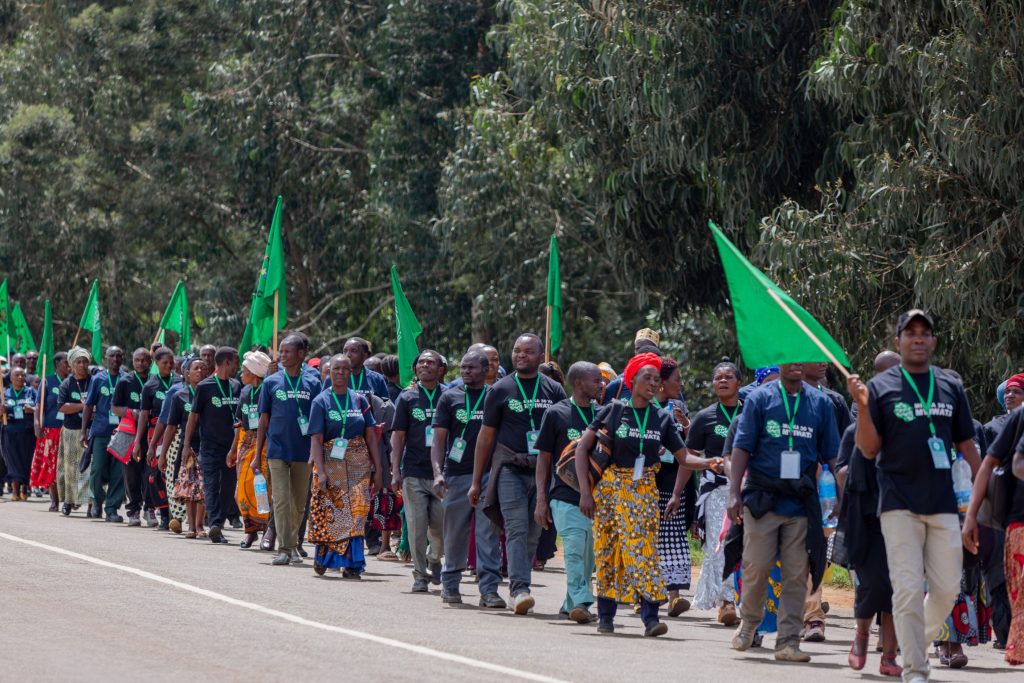
- Establishment of the largest small-holder farmers’ network in the country, uniting farmers through groups and networks for a common course. Small-holder farmers have been able to use MVIWATA as a tool to struggle for their political, economic, social and cultural interests. This explains the ability to sustain in 30 years amidst numerous obstacles, sabotage and counteractions against the movement and the peasantry itself.
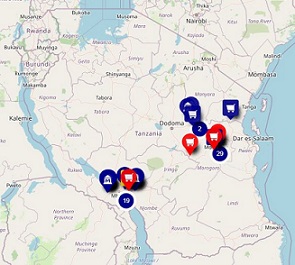
- Growth and expansion of MVIWATA; locally, nationally and beyond. Nationally MVIWATA has grown to have chapters in all regions making it difficult, sometimes to sideline smallholder farmers in various processes which require their participation at different levels. Small-scale farmers speaking for them-selves through the motto, the defender of the farmer is the farmer.
- Programmes that respond to the real issues of the peasants politically, economically, socially and technologically as an alternative to the existing norm.
- Alternatives that relieve peasants from the dire effect of the expanded neoliberal economic model such as agroecology, rural established produce markets (9 markets), rural tourism initiative against the conventional tourism model, rural financing mechanisms including small-scale farmer based revolving fund, self-help groups, village community banks and cooperatives.
- Legal support to vulnerable and criminalized peasants.
- Growth of institutional assets: e.g. MVIWATA HQ, MVIWATA Fm. MVIWATA Fm extends the primary role of MVIWATA, enhancing communication and letting the working class tell their own tales.
- Creation and increase of peasants’ cadres at local and national levels though MVIWATA educational programme.
- Integration to national, regional and international solidarity links. MVIWATA is a member of La Via Campesina and founding member of many national and regional small-scale farmers organizations including Tanzania Land Alliance, Eastern and Southern African small-scale farmers forum etc. MVIWATA also